

Founder's Compass: Week 14
Hello there and welcome to Founder's Compass, a good way to get oriented around the labyrinthian world of startups.

Tool of the week
Want to accelerate your learning? Learn from other companies' mistakes on the Virtual tour of Museum of Failure:
Video of the week
Bill Gross, one of the creators of the startup studio model, talking about what makes a start-up succesful:
Startup Idea of the week
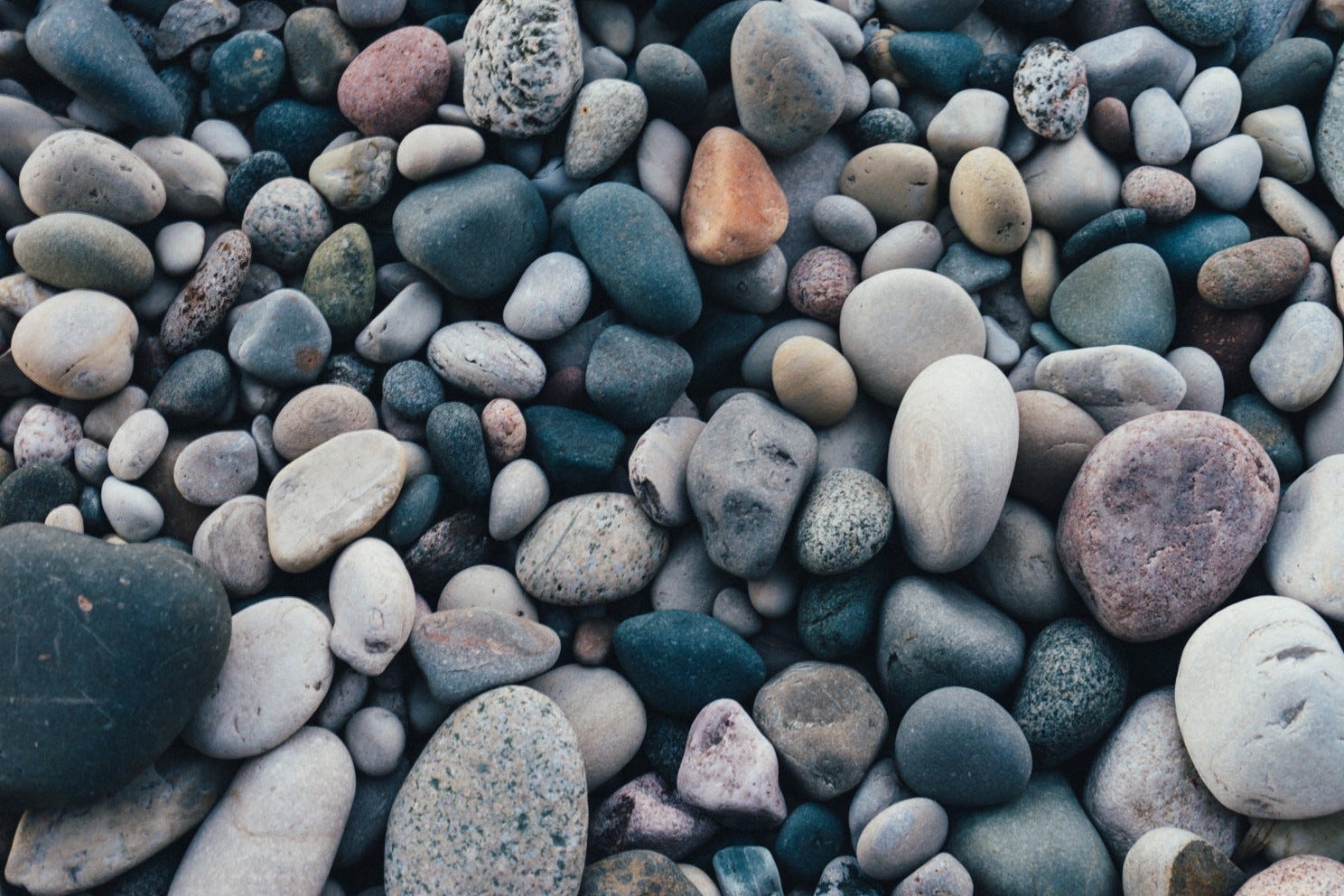
Biodegradable Stone Paper
𝗣𝗿𝗼𝗯𝗹𝗲𝗺:
It's probably not the first time you've heard about Stone Paper. You've probably seen it in your local book store or tried to write on one of those stone notebooks. In theory, stone paper is great: it uses almost no water in its production compared to wood-pulp paper, it's made of Calcium Carbonate (one of the most common materials on Earth, found in limestone, eggshells, gastropod shells, shellfish skeletons and pearls) and it's water-proof, food-safe, tear-proof and climate-friendly.
However, that last point in not 100% true. Stone Paper is made of 80% Calcium Carbonate, 18% HDPE plastic (the same material used is soap dispensers, milk jugs and plastic bags) and 2% proprietary coating additivies.
That 18% HDPE is used as a binder/resin to keep the Calcium Carbonate together in its sheet form.
𝗧𝗮𝗿𝗴𝗲𝘁:
Large stone paper manufacturers, print shops, packaging and marketing industries (later on).
𝗣𝗿𝗼𝗽𝗼𝘀𝗲𝗱 𝗦𝗼𝗹𝘂𝘁𝗶𝗼𝗻:
There are alternatives to HDPE that are biodegradable, which would make stone paper significantly more sustainable. One or more of polylactic acid (PLA), polybutylene succinate (PBS), polyadipate-butylene terephthalate could make up the biodegradable polyester (PBAT). There is a more in-depth research materiale done here, but if you have a background in chemistry, this could be one of the best applications of your skills.
𝗕𝗲𝗻𝗲𝗳𝗶𝘁𝘀:
✅ Great replacement for plastic food packaging.
✅ Even better replacement for marketing materials, as Stone Paper requires less ink than traditional paper.
✅ IP-driven solution. Once you experiment and find the right mix for biodegradable Stone Paper (that is also economically viable, very important), you can outsource production and delivery to one of the bigger manufacturers.
𝗖𝗵𝗮𝗹𝗹𝗲𝗻𝗴𝗲𝘀:
❌ Highly-specialized know-how: You either have a background in chemistry or you're getting one right now. Without deep knowledge of the subject, this wouldn't be as simple.
❌ Speed of implementation: Once a better way is discovered, it will take months to get it approved again for food-grade applications and even more months to test for production.
❌ Expensive to start: You can't just go on Amazon and buy all the instruments needed to start working on this. Your best bet is to enroll in a research center and use their technology.
What would you do differently to get this startup off the ground? Do you think this would work? Let's talk in the comments 🤔
Some news as well
That's it for this week's edition. Stick close for the next one.
P.S: Are you looking to generate awesome ideas like the one above? You can work with us and create a hackathon for your team: https://creativemotion.io/creative-labs/
If you already have an awesome idea and an awesome team to boot, don't shy away and apply to our accelerator:
(Applications are open now!)