

10 Startup ideas for 2030
Looking for startup ideas that you can start building now and have them take off by 2030? Here are a couple of them.

We’ve researched each idea, but we would recommend before starting work on any of them to do your own research and adapt these to your market conditions. We can’t guarantee these will take off in the form presented here, but we’re sure that a competent founder will find some inspiration here for their next venture.

1. Solar Panel + Mushroom field
Problem: Solar Panel fields usually take a lot of space to produce the energy required. Sometimes, that is precious, arable space that we lose to be able to generate electricity.
Target: Energy Companies, Land Owners, Farmers. 👩🌾
Proposed Solution: On the soil that sits under the solar panels, we could plant mushroom crops to grow in the shade. Now, agrivoltaics is not a new idea by any means, but everyone is trying to either grow normal crops or have livestock live on that same field. Mushrooms however, thrive under the conditions that the solar panels provide: shade, warmth, some hydration (from the dew in the morning). Combine that with the different strains that are either edible or usable in sustainable packaging, and you have a pretty good mix.
Benefits:
– Mushrooms are better suited for that envrionment than any other crop so it maximises land use.
– Easier to grow and less fussy than other crops.
– Multiple final uses: either as a food resource, packaging, home insulation and more.
Challenges:
– Selection of the right crop (Not all mushrooms are built the same, there will be a need for extensive testing to select the right strain)
– Soil preparation (Mushrooms need dead plant and animal material to grow, we would need to infuse the arable land with mater or choose sites that have dead mater in abundance)
– Scaleability (Once a field is done, what’s next? How does this scale? IP-based, franchised? To research)

2. Garbage-collecting micro-satellite 🚀
Problem: All the trash that is currently surrounding our planet on the outskirts of the stratoshpere and beyond. This trash stops us from launching important infrastructure and poses a very big risk for failure in terms of extra-terrestrial missions.
Target: Government-backed space agencies. 🔭
Proposed Solution: A micro-satellite that deployes a net to gather garbage from our orbit and then launches itself towards the earth to burn the trash on entry into atmosphere.
Benefits:
– Faster to clear out orbital junk than just waiting for it to drop to earth by itself.
– Larger quantities of trash taken out all at once.
– Relatively inexpensive compared to other solutions.
Challenges:
– Prototyping (creating a functional prototype for such tech could take months, if not years).
– Government-speed of deals (A.K.A slower than a tortoise).
– Resources used on launch (it would cost a lot to launch such a micro-satellite with the traditional methods. Maybe consider centrifugal launch? To be researched).
3. Gravity Batteries for office buildings🔋
Problem: We produce a lot of electricity with solar panels and wind, but we can’t store it for long enough to actually use it.
Target: Corporate offices (being built or already built). 🏢
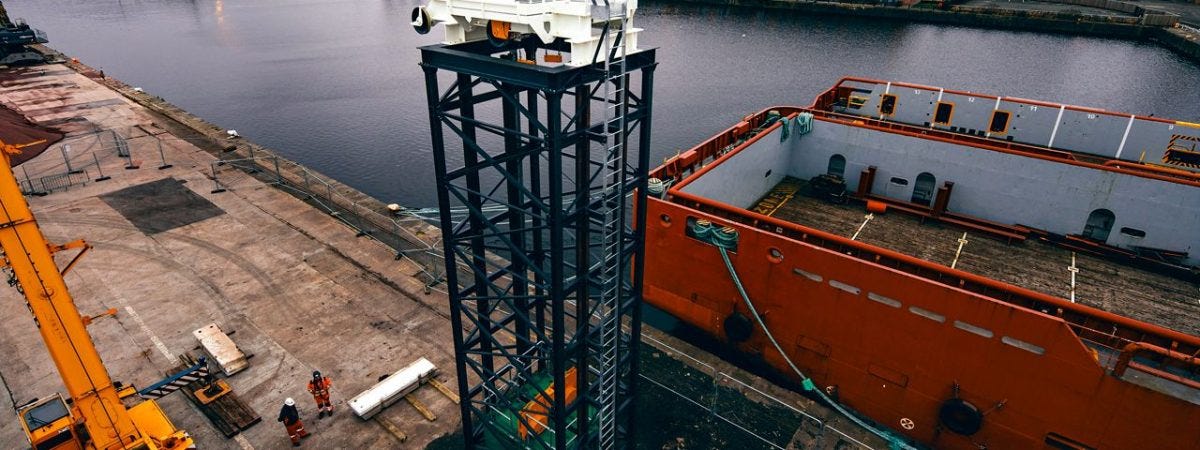
Proposed Solution: A gravity battery storing energy in the elevator shafts.
Ok, let’s slow down a bit. What is a gravity battery? 🤔
It’s actually one of the best and oldest methods to store energy, first used in 1907. We also know it by the name of pumped-storage hydroelectricity, because it means 𝘂𝘀𝗶𝗻𝗴 𝗽𝘂𝗺𝗽𝘀 𝘁𝗼 𝗺𝗼𝘃𝗲 𝘄𝗮𝘁𝗲𝗿 𝗳𝗿𝗼𝗺 𝗮 𝗹𝗼𝘄𝗲𝗿 𝗹𝗮𝗸𝗲 𝘁𝗼 𝗮𝗻𝗼𝘁𝗵𝗲𝗿 𝗹𝗮𝗸𝗲 𝘂𝗽 𝗮 𝗵𝗶𝗹𝗹 𝗼𝗿 𝗺𝗼𝘂𝗻𝘁𝗮𝗶𝗻. 𝗧𝗵𝗲𝗻, 𝘄𝗵𝗲𝗻 𝘁𝗵𝗮𝘁 𝗲𝗻𝗲𝗿𝗴𝘆 𝘄𝗮𝘀 𝗿𝗲𝗾𝘂𝗶𝗿𝗲𝗱, 𝘄𝗮𝘁𝗲𝗿 𝗳𝗹𝗼𝘄𝗲𝗱 𝗱𝗼𝘄𝗻𝘀𝘁𝗿𝗲𝗮𝗺, 𝗴𝗲𝗻𝗲𝗿𝗮𝘁𝗶𝗻𝗴 𝗽𝗼𝘄𝗲𝗿 “𝘁𝗵𝗿𝗼𝘂𝗴𝗵” 𝗴𝗿𝗮𝘃𝗶𝘁𝘆.
We can use that same principle and apply it to a very heavy block of concrete. We use energy to pull it all the way up and then, when required, we let that block drop slowly, generating energy. (KERS braking systems work in a similar fashion)
This has been proven to work by other startups like Gravitricity Ltd on a large scale, but what if corporate offices could use their elevator shafts and retro-fit such a generator? Yes, you lose one lift, but you gain the ability to generate even more than the building requires.
Benefits:
– Better storage of energy.
– Savings (massive).
– Easier to get net-zero certified as a developer.
Challenges:
– Initial technology costs (The development of such a battery doesn’t come cheap, extensive capital is required)
– Reliability (in it’s early stage, this wouldn’t be a reliable source of power for companies with on-premise servers)
– Prosumer controversy? (Can these companies feed the energy back into the grid? What if they decide they won’t and it just stays stored there, accumulating and driving prices up for everyone else?
4. Global deployment regulation-check platform
Problem: You have a business, but the market you’re in is too small. You can launch in neighbouring countries, but you don’t know the rules, regulations and limits you have to respect in your industry.
Target: SME, Startups, Local producers. 🗺
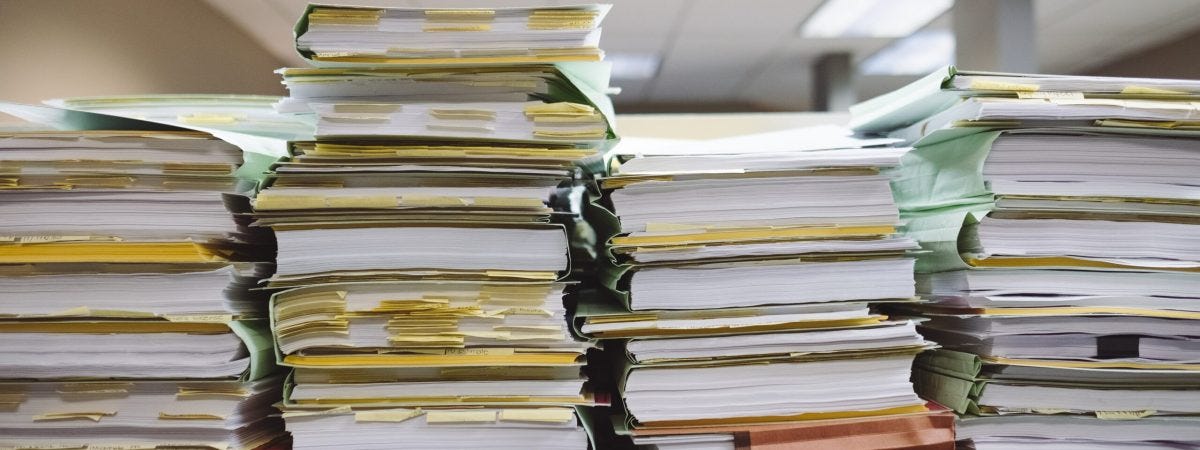
Proposed Solution: A platform where you describe your entire business and required documents and certificates. It then lets you know what other approvals you need from the countries you want to launch in to be able to operate legally.
Benefits:
– Able to satisfy more markets with less effort than before.
– One place to check and find required documents in case of a check from authorities.
– Speed to deployment vastly increases.
Challenges:
– Keeping the platform updated with local regulations (These change so often it’s almost impossible to keep up. Almost…)
– Lack of trust (At first, the platform will not be trust-worthy enough, with entrepreneurs choosing the traditional path: lawyers)
– Legal liability (Is the platform responsible for someone filing their paperwork incorectly? The users might believe so…)
5. Paid-for water fountains in stores🚰
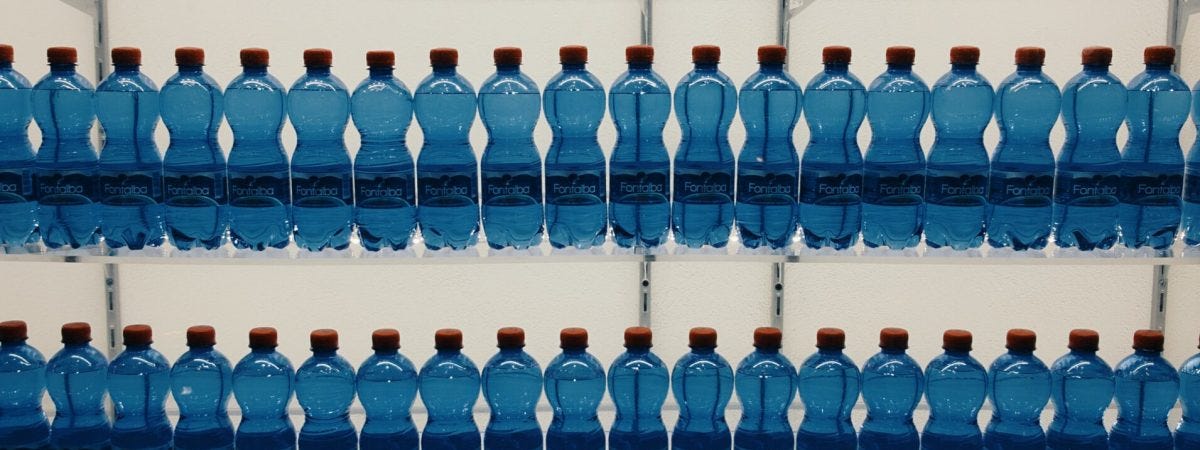
Problem: Drinking good water is difficult or expensive. Yes, we have tap water (if you trust your government and the pipes it runs through), bottled water (which is covering the planet in plastic and leaking microplastics into the water itself) or water filters for home use (the good ones are 2000 EUR+, the bad ones don’t have much of an effect). All of these options have downsides. 👎
Target: Commercial stores + Consumers.
Proposed Solution: A professional, filtered system deployed in store, monetized by the commercial partner. We know what you’re thinking: Water is free and is my right to have access to it. The reality however looks quite different and truth is that you’re paying for convenience and peace-of-mind, not particularly for the water.
Benefits:
– Commercial stores would be able to provide cheaper water than the bottle alternative.
– Hit the ESG Targets (as it’s very easy to track how many bottles were used through the filter)
– Significantly increase their brand reputation.
Benefits (for customers):
– Cheaper than bottled water.
– Better quality (with a professional filter).
– More convenient.
Challenges:
– Huge sales effort (Convince the commercial stores to put in this system that hurts some of their largest distribution partners of soft drinks and bottled water? Tough sell)
– Maintenance and support (if succesful, a lot of locations will need to be maintained)
– Monetization (how much can you charge for the service provided to the company so they can also make it a better deal than bottled water?)
6. Cross-country government contracts bidding platform
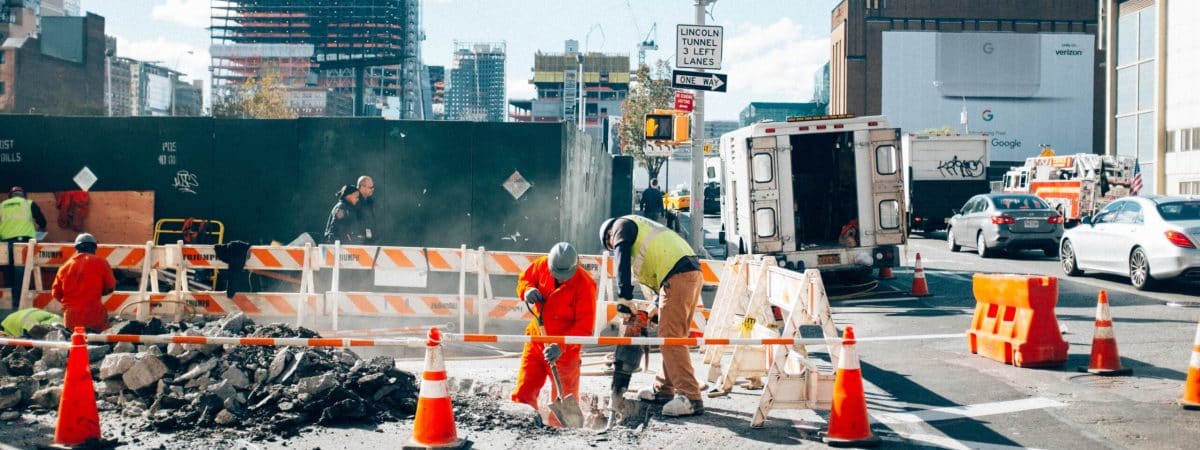
Problem: Government needs private companies to execute public contracts. However, access to bidding on these public contracts is limited (either through making the procedure very complicated or by not advertising it properly). This usually leads to poor execution of public contracts and a huge waste of money.
Target: Construction companies, IT Agencies, other service providers. 🛠
Proposed Solution: A website consisting of all the government contracts available in your country (and internationally for that matter) where information is distilled and the bidding procedure and application is clearly explained so that any company could apply to bid.
Benefits:
– Better execution on public projects and use of government funds.
– Greater competition on contracts, driving the price down.
– Easier to track which companies have taken on public projects and making sure there is no bribe involved.
Challenges:
– Monetization (This would have to be paid by the private companies, the government doesn’t seem too interested in this. But would that be enough to cover the effort?)
– Lack of trust (At first, the platform will not be trust-worthy enough, use-cases might help with that)
– Support (It sounds more like a service business, having to update the database and procedure all the time. Could AI help productivize this?)
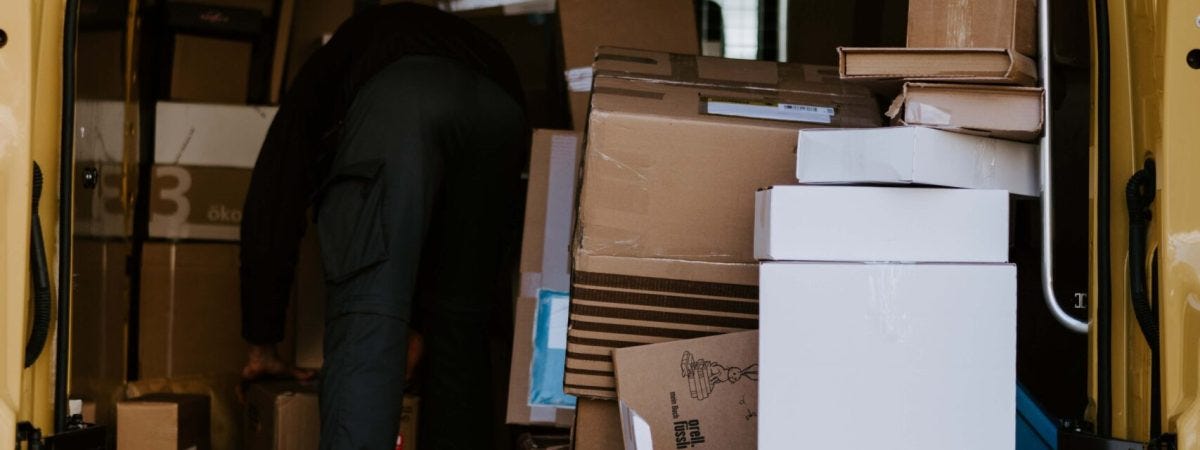
7. No-packaging courier
Problem: We send millions of packages every single day. Each one is wrapped in plastic, first layer of cardboard, second layer of cardboard and extra bubble wrap. Once the package reaches your house from the retailer, it takes only a couple of minutes to unrwap and throw it all in the trash.
Target: Retailers/e-commerce operating on a local/regional market. 📦
Proposed Solution: A courier service that has their own reusable packaging and picks up the product “raw” from the retailer, packages it in the presence of the retailer and delivers to the customer using the reusable packaging.
Benefits:
– Fewer packaging waste.
– Cheaper for the retailer/e-commerce since they don’t spend money on packaging themselves.
– Easier to track package ownership and lose fewer products (in theory).
Challenges:
– Product safety: What are the chances of the product being transported in a good condition if the manufacturer doesn’t design the packaging as well? This could be offset with a packaging co-design session with the courier though.
– Cannot be used if the product switches couriers (international delivery) since each delivery company has their own processes.
– Liability & ownership: Product accidentaly breaks. Who’s responsible for it?

8. 3D Virtual Sets for creators
Problem: High-quality backgrounds and sets are expensive and hard to maintain (+ rent costs, utilities and more).
Target: Content creators (Youtube, TikTok and others).
Proposed Solution: A 3D virtual set with incredible detail and interactivity. We know what you’re thinking: Everyone can now key out a green screen or add a virtual background directly from Zoom, what is the difference?
Some main things that are very different: Interactivity, depth, quality. But of course, the main differentiator is price/performance ratio. This is the same technology that has been used to produce “The Mandalorian”, now trickling down into more commercial use-cases. By building a set in Unreal Engine and then mapping the camera movement to the Virtual Set, you can even simulate movement inside the environment, generating a never-before seen effect at a fraction of the cost.
Challenges:
– Skilled workers (There aren’t a lot of people who know how to create an environment in Unreal Engine)
– Business Model (would they pay “rent” for this virtual set, is it a one-time buy? What kind of support is included?)
– Scaling (How would this be scaled and have product-led growth?)
9.Projection-mapped construction guidelines 📐
Problem: Matching the arhitectural project to the reality of the field is not an easy task. A small screw-up could cost thousands if not tens of thousands to fix.
Target: Construction firms. 🔨
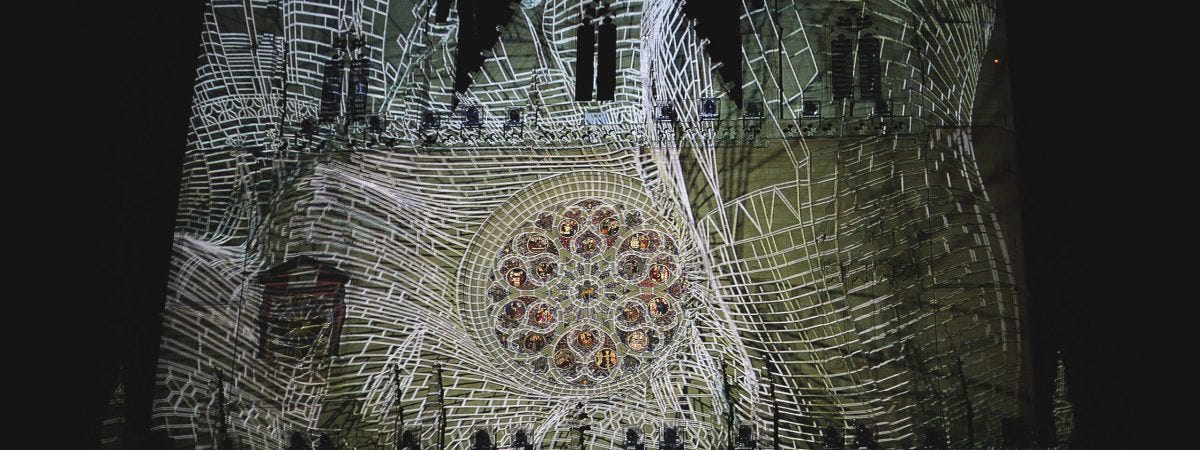
Proposed Solution: Using projection-mapping (the same technology behind the famous iMapp Festival in Bucharest), you could outline the final intended design, with each element in “virtually” put into place. This would be way more reliable than VR/AR tech since it would be real, on-site.
Benefits:
– Accurately place the interior design/exterior details in the exact right spot.
– Reliably verify the project on paper versus on-site.
– Significantly cheaper than plugging everything into VR.
Challenges:
– Tech (commercial projectors wouldn’t work for this application).
– Value/Cost Ratio (a cost analysis is required to see if this is worth it compared other methods).
– Scale (How would this be scaled as a startup? For now it looks more like a service company than a product company).

10. Anti-dark-patterns app
Problem: Endless scrolling, Dark Patterns. What are Dark Patterns? Elements of digital user interface (UI) which are designed to take advantage of inherent psychological biases and lead users towards making certain choices. In user-centred UI design, the goal of the designer is to maximise usability and enhance a user’s experience of a digital product or service. Dark patterns are carefully crafted UI design features which invert the user-centred goal to instead influence users to make choices which maximise the interests of the online service provider (often without the user’s awareness).
Target: Young professionals and bored employees.
Proposed Solution: Software that detects the scrolling behaviour and notifies you that you’re going into the endless spiral. (Digital Detox)
Benefits:
– Stops the undesired behaviour.
– Makes you aware of triggers.
– Breaks the cycle.
Challenges:
– Technical (running an app in the background uses a lot of energy).
– Monetization (How much would someone pay to stop their digital addiction?).
– Hard to build a moat (Google, Apple, Meta could implement this in a couple of days. Question is: would they?)
Until 2030, there are still many ideas that lay undiscovered, these are just a couple of them. If you’re curios for more or even want to develop your own set of ideas, proposals and/or solutions reach out and learn more about organizing a hackathon with us.